IMPACT OF MAN MADE DIAMONDS ON THE dadsINDUSTRY
EXPLORE >
Diamonds have ruled the jewelry market from the very beginning of time, with the earliest mention in Sanskrit manuscripts dating back to
EXPLORE >
Diamonds have ruled the jewelry market from the very beginning of time, with the earliest mention in Sanskrit manuscripts dating back to Diamonds have ruled the jewelry market from the very beginning of time, with the earliest mention in Sanskrit manuscripts dating back to
EXPLORE >
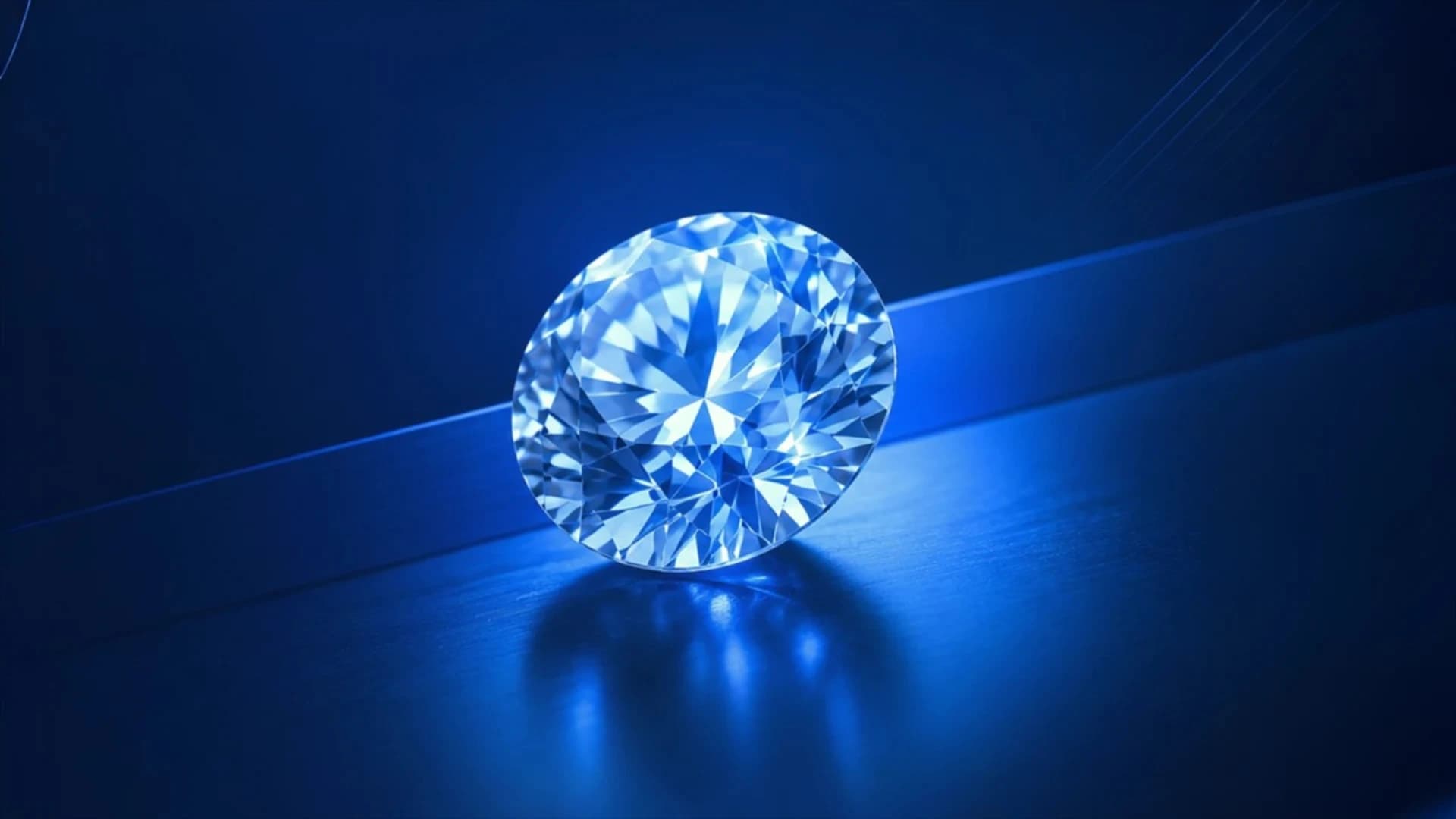
Diamonds have ruled the jewelry market from the very beginning of time, with the earliest mention in Sanskrit manuscripts dating back to 320-296 BC. And as time passed, diamonds started making headlines in Europe, with their presence in the French crown, and got popularity among the masses through romanticization in Hollywood movies. But around 1950, the General Electric company created a synthetic diamond which is now popularly known as the lab grown diamond. Lab grown diamonds can be manufactured using two methods - the carbon vapor deposition (CVD) method and the High Pressure & High Temperature (HPHT) method. Though they are considered replicas, diamonds made in laboratories are generally superior in terms of quality when compared to natural diamonds. This is because of the fact that although the lab environment is designed to match the atmosphere of the earth's crust, it's still a controlled setup, and the quality of the growing diamond can be monitored easily and modified to get the best results.
EXPLORE >Become a part of the Classic Grown Diamonds network and get our latest updates directly in your inbox! Subscribe for our newsletter today!